Best Time to Visit Madeira: Weather by Coast, Whale Season and Hiking Months
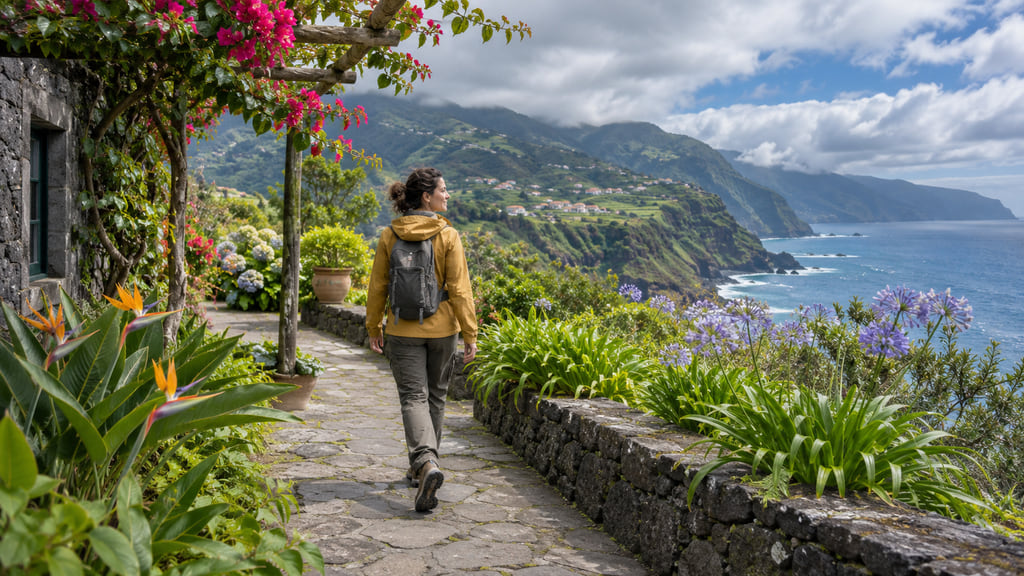
Choose spring for a trip centred on gardens and walking, or summer if time by the sea matters most. For a quieter pace, consider autumn outside event dates. The best time to visit Madeira depends on your priority: a seasonal average cannot tell you whether a particular mountain trail or boat trip will run.
Updated
Choose by activity, not one winning month
Start with the day you would most regret missing. If that is a garden visit with a walk on another day, spring is a sensible starting point. If it is swimming and coastal evenings, compare summer dates first. Madeira’s tourism board describes spring as mild and green, with some rain, and summer as warmer on the coast than at altitude. These are seasonal patterns, rather than a forecast for your week.
Use the table to shortlist a season and a workable alternative. The months describe calendar seasons; the suggested swaps are editorial planning choices. Choose activities you would actually enjoy doing, rather than filling a spare day with something nobody wanted. A city break with one optional walk needs less weather flexibility than a holiday built around several exposed mountain routes.
| Season | Choose it for | Check before committing | Keep as an alternative |
|---|---|---|---|
| Spring: March–May | Gardens, greenery and a walking-led holiday | Rain forecast, trail access and festival dates | A Funchal culture or food day |
| Summer: June–August | Coastal swimming and outdoor evenings | Sea conditions and the forecast at your walking altitude | A city visit if the boat trip cannot run |
| Autumn: September–November | A less hurried mix of exploring and local culture | Rain as the season progresses, plus event dates | An indoor tasting or museum visit |
| Winter: December–February | A coastal city break or Christmas and New Year celebrations | Mountain weather, access and the holiday programme | A flexible day in Funchal |
For a first visit combining walks and sightseeing, I’d shortlist spring, then check whether the Flower Festival is a reason to go or a reason to change weeks. For autumn, September and October deserve a look before later dates: the tourism board describes pleasant exploring weather early in the season, with rain returning as autumn advances. Winter suits a trip that still feels worthwhile when a mountain outing is dropped.
Coast, mountain and sea are different forecasts
A sunny breakfast in Funchal is not a mountain weather report. Madeira’s official weather page gives a broad seasonal average range of around 15°C in winter to 25°C in summer. It also distinguishes coastal conditions from cooler, cloudier high ground. Treat those numbers as background for choosing a holiday, not as the temperature to expect on the Pico do Areeiro ridge.
When choosing the next day’s outing, use the weather map and webcams for the places you will visit, alongside the IPMA forecast linked there. Check the destination and the route, rather than only the town where you sleep. A webcam shows a moment; it does not replace the forecast or a trail-status check. Pack layers for the actual activity, even when the hotel terrace feels warm.
For a boat trip, ask the operator about that departure and its weather decision. For a walk, check the chosen route’s access status as well as conditions. A tour continuing to operate and a trip matching your expectations are separate questions: cloud may matter to someone buying a panoramic view, while a sheltered cultural visit has a different purpose.
Build your week so you can exchange two days without losing both bookings. For example, keep a Funchal visit available alongside the walking day, then check each booking’s change deadline before making the switch. Don’t drive across the island purely on the assumption that sunshine must be waiting beyond the next tunnel.
Hiking and wildlife without seasonal promises
For walking, choose the route before chasing a supposedly perfect month. A shaded levada, an exposed ridge and a short viewpoint visit ask different things of you. Compare the terrain and transport in our Madeira levadas and hiking guide. Spring is a reasonable season to shortlist for a walking-led holiday; whether a particular walk belongs in your itinerary still depends on access, conditions and your group.
As checked on 14 November 2026, the tourism board’s 2026 hiking guidance says visitors must reserve access to classified PR trails through the official SIMplifica platform. This applies to independent walkers and guided groups. Check the current trail status before reserving and before setting out; a reservation does not override a closure. If you book a guided walk, ask who handles the reservation and what happens if that route is unavailable.
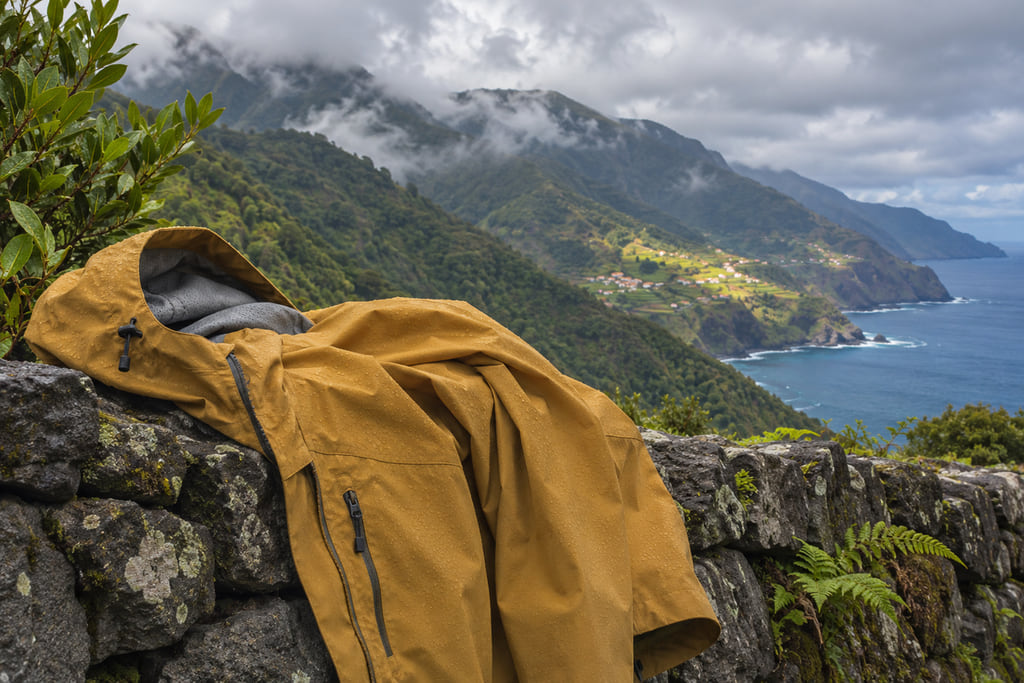
Whale watching has a different calendar. The International Whaling Commission’s Portugal handbook describes Madeira as a year-round whale and dolphin watching destination, with spring to autumn generally favoured. It identifies bottlenose dolphins and short-finned pilot whales as residents, while Atlantic spotted dolphins and Bryde’s whales are more associated with spring to autumn. That is useful when choosing a season for a particular interest; it is not a promise of a sighting.
If any responsible wildlife observation would make your day, compare boat comfort, departure location and cancellation terms before narrowing the month. If you want one particular species, ask a specialist operator about its seasonal records and how those differ from the species simply listed in its brochure. Our dolphin and whale watching guide helps compare the trip formats. Keep an early date in your stay available for the outing, subject to the booking terms, so a reschedule remains possible.
Events, crowds and flexible booking
For the best time to visit Madeira to avoid crowds, I’d start by comparing autumn dates outside the events you want to avoid. Don’t treat “shoulder season” as a promise of an empty island or a cheaper room. If quiet matters, compare the location of your accommodation, your exact week and the outings you intend to book.
The official Flower Festival page, checked on 14 November 2026, lists the 2027 festival from 29 April to 30 May. Check the programme for the specific parade or event you want before booking flights. For Christmas and New Year, make the same distinction between visiting during the season and being present for a particular celebration.
Compare two possible weeks as whole trips: flights, accommodation location, transport and the activities that matter. A lower room rate can be a poor saving if the dates miss your main reason for coming. Equally, there is little point paying for an event-centred stay when you wanted quiet evenings elsewhere. Weather averages alone cannot identify the cheapest week.
Skip a tightly packed outdoor itinerary if dropping one boat trip or mountain walk would spoil the holiday. Choose a city-led break, allow spare days, or reconsider the format before paying for several fixed departures. Read separately what happens when you cancel, when the operator cancels and when an activity runs with an altered itinerary. Those are different situations.
Once you have chosen your priority, use our Madeira travel guides to pick the activity that fits it. Compare Madeira tours for a day beyond Funchal, or keep a Funchal activity as your alternative. Choose the format first, then check the dated offer and booking terms.
Questions before choosing your dates
Which month guarantees good hiking weather?
No month guarantees the conditions for your chosen route. Shortlist a season that suits your wider holiday, then check the destination forecast, PR access status and reservation requirements close to the walk. Keep a different activity available if that route cannot be used.
Is a coastal average valid in the mountains?
No. A coastal or regional average is background climate information; it cannot describe conditions on an exposed high route. Check the mountain location separately instead of using the temperature in Funchal to decide what to wear or whether to go.
Can I see whales only in summer?
No: Madeira has year-round whale and dolphin watching, with seasonal differences between species. Ask about the species that interests you and remember that an operating departure cannot guarantee an encounter. For a general wildlife trip, boat suitability and flexibility deserve as much attention as the month.